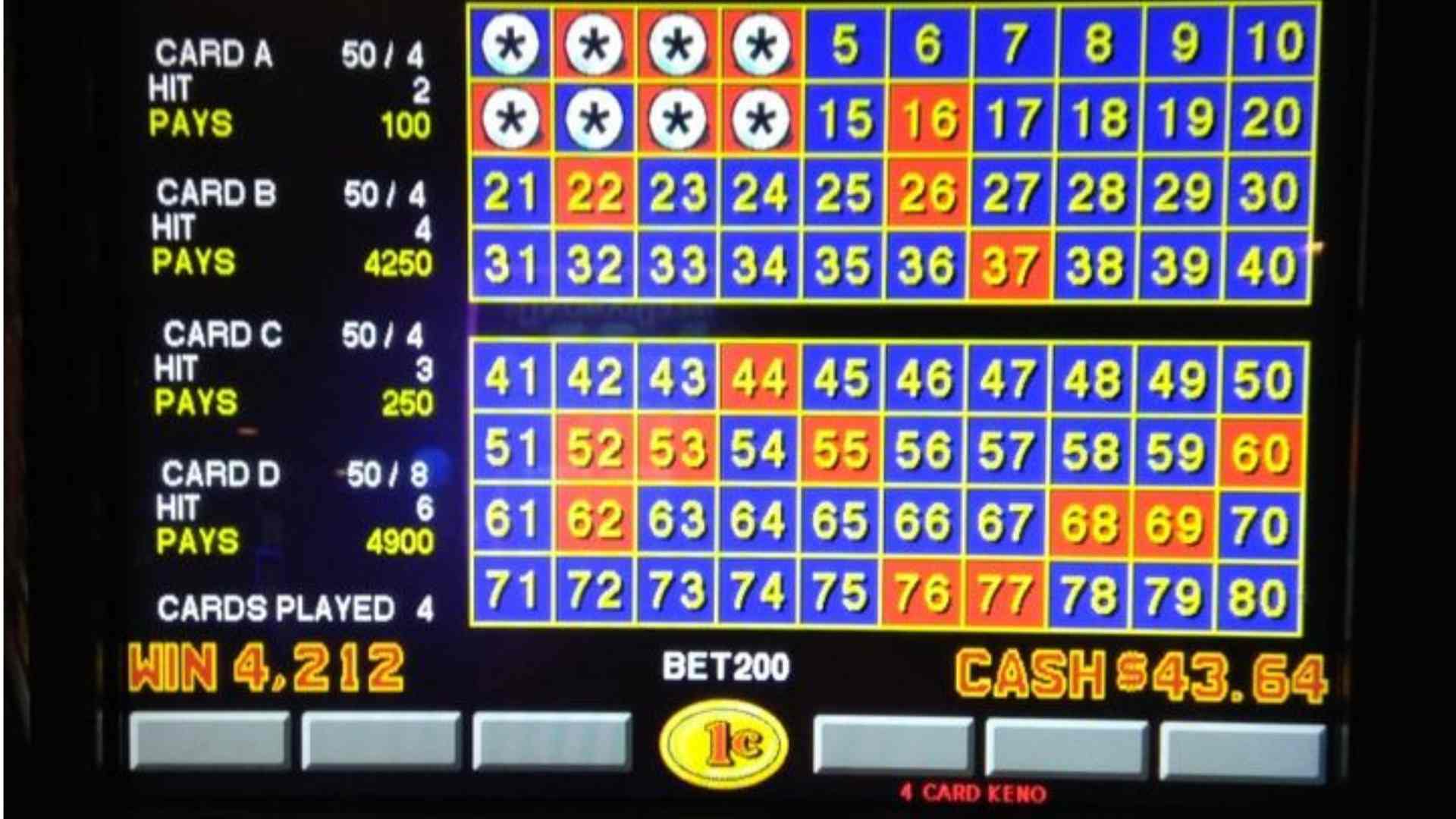
Modern interactive systems rely heavily on unpredictable mechanics to heighten enthusiasm and maintain active participation. By incorporating chance-based bonuses into regular progression loops, developers transform standard routines into dynamic experiences filled with intrigue. Understanding the psychological draw behind unexpected outcomes explains why variable incentives remain a cornerstone of effective modern reward design.
The Psychology of Unpredictable Rewards
Human cognition responds strongly to anticipation, often releasing dopamine during the period of uncertainty rather than just the final reveal. When outcomes are guaranteed, the emotional response remains steady and predictable. Introducing an element of chance sparks genuine excitement, encouraging participants to remain curious about what subsequent attempts will yield.
Variability breaks up monotonous patterns and helps prevent cognitive fatigue over long sessions. When individuals encounter random perks unexpectedly, their overall engagement increases naturally. This fundamental principle of reward architecture makes unpredictable bonuses far more effective than static progression models.
Transforming Standard Loops Into Dynamic Experiences
Standard achievement tracks provide clear goals, but adding random modifiers revitalizes familiar challenges. A player or user facing routine tasks gains renewed interest when there is a distinct possibility of unlocking an unexpected perk. This extra layer of possibility turns everyday actions into memorable highlights.
Diverse digital platforms apply these concepts across various interactive formats to elevate standard gameplay. Players exploring strategic titles like boss mahjong often appreciate how variable elements keep each match feeling fresh and distinct. By pairing skill with dynamic incentives, developers maintain a balanced environment that rewards both strategy and curiosity.
The Balance Between Anticipation and Fairness
For chance-based incentives to remain appealing, they must be structured around fairness and reasonable odds. If surprise bonuses feel entirely out of reach, users quickly lose motivation and disengage from the experience. Conversely, well-calibrated odds ensure that anticipation remains high while keeping goals realistic.
Sustainable design relies on combining baseline progression with occasional high-value surprises. This hybrid framework ensures steady accomplishment while preserving the thrill of potential bonuses. Establishing transparent probabilities helps build trust and long-term user satisfaction.
Looking Ahead in Interactive Reward Design
As interactive design continues to evolve, developers are refining how unpredictable rewards are distributed across different systems. Adaptive algorithms can now customize incentive timing based on individual user engagement styles. This personalized approach ensures that surprise elements arrive when they provide the maximum psychological benefit.
Ultimately, chance-based bonuses remain a powerful tool for building captivating digital experiences. By respecting player expectations while offering genuine elements of surprise, modern platforms foster meaningful long-term engagement. Moving forward, the thoughtful integration of unpredictable incentives will continue to shape interactive entertainment.