Baccarat table gameplay has evolved remarkably across different regions, transforming a simple card game into a cultural reflection of the venues that host it. While the underlying objective of predicting the winning hand remains unchanged, the structural changes and participant behaviors shift dramatically between continents. Exploring these differences allows enthusiasts to appreciate how regional traditions alter the physical setup, stakes, and overall rhythm of the game.
The North American Focus on Automation and Efficiency
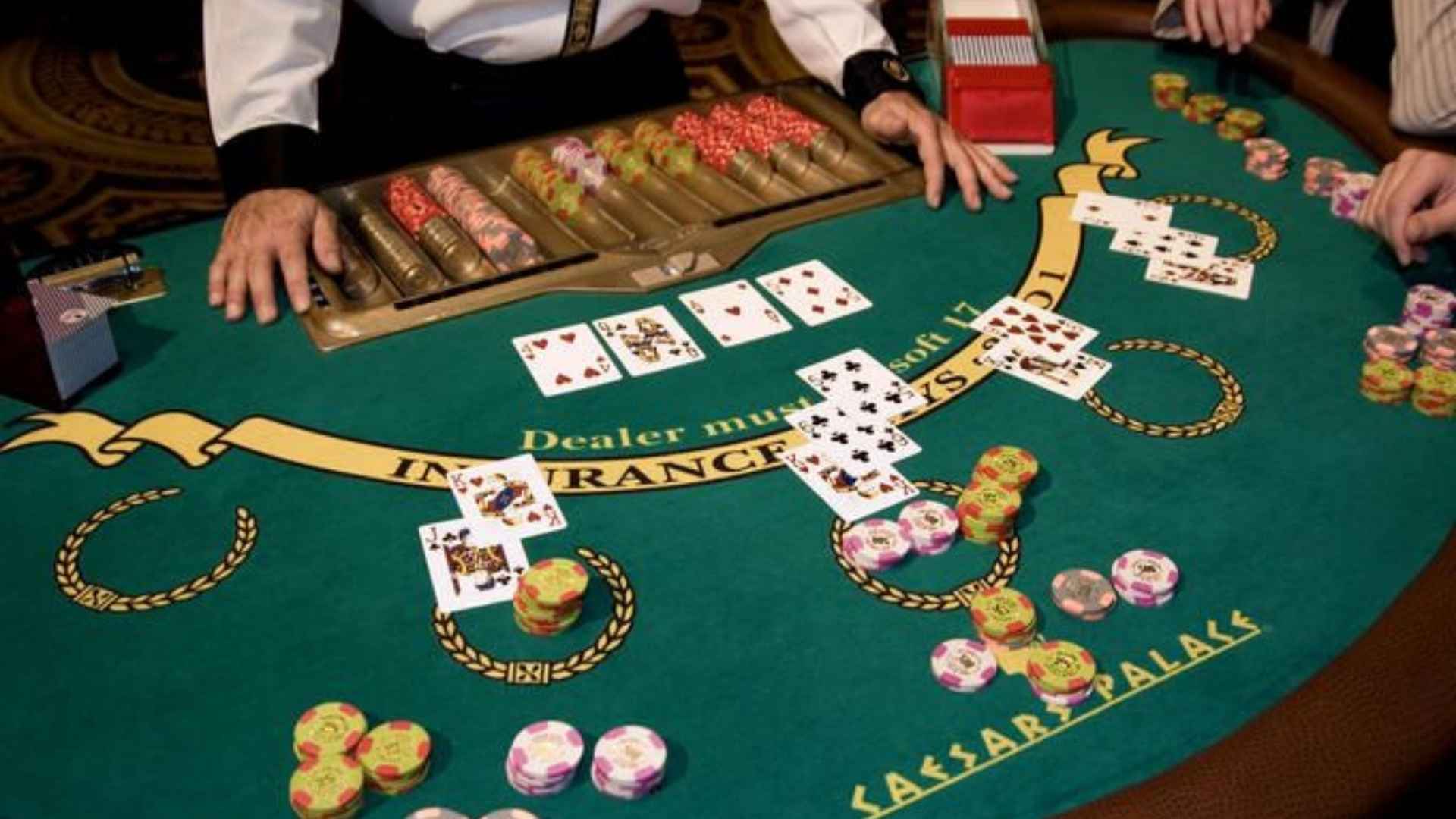
In North American casino hubs, the game is heavily dominated by a standardized setup known as Punto Banco. Here, the dealer completely manages the physical distribution of the cards, strictly enforcing pre-established third-card drawing parameters. This structural design ensures a rapid operational pace and removes any strategic decisions from the active players surrounding the layout.
The physical separation of the high-stakes salons from the main casino floor also defines the local playing experience in this region. Casual players often flock to streamlined configurations like Mini-Baccarat, which use smaller tables to maximize efficiency and reduce entry limits. For those looking to explore digital variants or stay updated on gaming news, visiting a reliable resource via wd boss login provides excellent insights into modern table developments.
The European Preference for Direct Participation
European gaming salons present a stark contrast by preserving historic variants that demand direct player interaction and choice. Versions such as Chemin de Fer allow participants to take turns acting as the banker, actively funding the table wagers against other players. This interactive design completely alters the psychological framework, as players hold the physical cards and can make tactical choices on specific hand totals.
This traditional arrangement fosters a highly community-driven environment where the outcome depends heavily on active table relationships. The slower, more formal pace appeals to enthusiasts who value the social rituals and intellectual depth associated with classic card rooms. It remains a celebrated staple in premier continental properties that prioritize heritage over high-volume automated sessions.
The Asian Focus on Rituals and Squeeze Mechanics
Macau and other prominent Asian gaming destinations have developed an incredibly intense atmosphere centered around unique physical rituals. The most defining feature of Asian baccarat gameplay is the squeeze mechanic, where players slowly peel back the edges of the cards to reveal the values. This practice adds a heavy layer of suspense and converts a passive card game into a shared emotional experience.
Furthermore, the integration of proprietary tracking displays and custom side wagers dictates how participants approach every single shoe. The tables are frequently surrounded by large groups of observers who follow specific structural patterns displayed on digital scoreboards. These regional adaptations emphasize collective energy, turning standard card distribution into a highly stylized and dramatic spectacle.